

Horological Hiccups

Well, it looks like I have made through another year. A quiet month watch wise, so just some general thoughts. No judgement. I am as guilty as the rest of us.
Wishing all my readers a very happy new year.
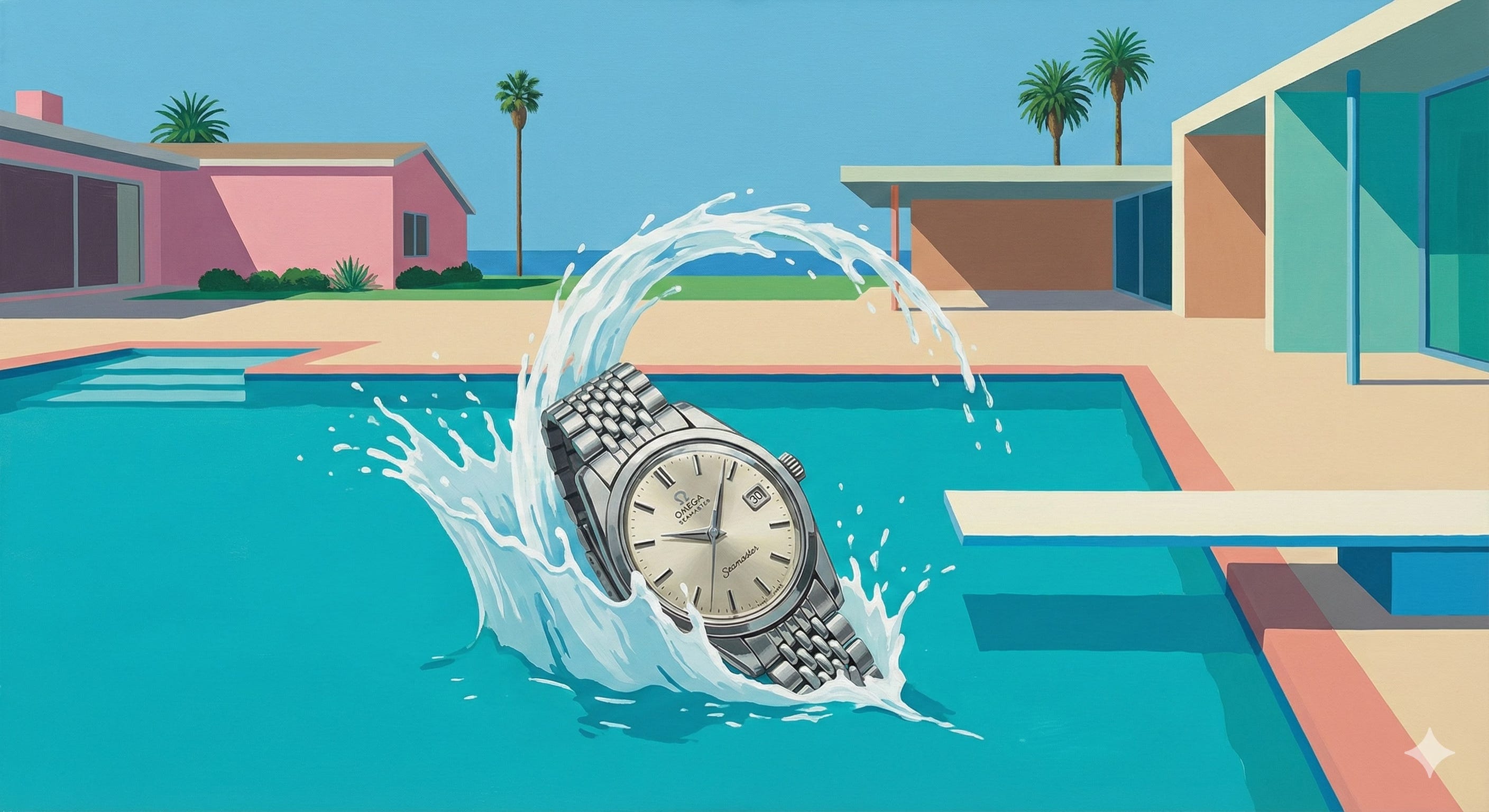
My Latest Acquisition
Let me start with an observation. The phrase of choice when people buy a new watch: “my latest acquisition”.
“Acquisition” is such a curious word choice. It carries weight. It suggests strategy, planning and perhaps even a committee. It is the language of corporate takeovers and museum curators, not something you just picked up from a boutique after convincing yourself you deserved it.
I suspect the phrase does a bit of physiological soothing. “I bought another watch” sounds a tad impulsive. “I acquired a piece” sounds deliberate. Measured. A justification for stretching yourself financially. Hell, it sounds sensible as it reframes consumption as curation. Spending is transformed into stewardship.
I am sure I have used the term myself. Watches are often ludicrously expensive, emotionally charged objects. We all like to believe our decisions are considered and meaningful. In a community where validation is social currency, wording matters. The right language signals seriousness, taste and control. Perhaps language helps us to tell the story, both to others and to ourselves?
I wonder whether the hobby would be more wholesome if we were a bit more honest? Dressing up an emotional act as a rational one does not seem healthy. Might it stop some of us from overspending? Buying too many watches? I liked it, so I bought it. End of?
As much I love watches very few of them are as special as a Hockney or a Léger, so I shall stick to “my latest purchase”.
Jane Austen and Interior Angles
As the year winds down, I was thinking about what is considered a great watch by our community. Now before anyone gets upset, I am using this hyperbole to illustrate how we decide what is good and what is not.
Imagine for a moment that Jane Austen were still alive and was writing for Hodinkee. Her 2025 review might start as follows : “It is a truth universally acknowledged, that a fine watch must be in want of interior angles”.
Perhaps driven by the time-only indie wave, it seems a watch cannot be great without a proliferation of interior angles on the movement. Once upon a time, they were something you appreciated quietly as part of a broader picture of finishing and craftsmanship, especially as most were hidden behind a solid caseback. Now, they have become a sort of currency. The more you have, the more epic the watch. No interior angles? Straight into the bin.
To be clear, I love a beautifully finished movement. True hand-finishing matters and deserves recognition in the few instances where it still exists.
But I notice watches being dismissed because they don’t meet some imagined quota of interior angles. It reminds me of the old “box and papers” and “unpolished” obsessions. I even question whether some people can identify an interior angle, let alone one of the few that was truly hand created (great read by Jack Foster)
The moment that crystallised this for me was when various people berated my minute repeater owing to its lack of interior angles. Call me uncultured, but I feel the real test for any minute repeater should be how it sounds. Hence I enquired whether they thought interior angles improve how a minute repeater sounds. I never received a reply.
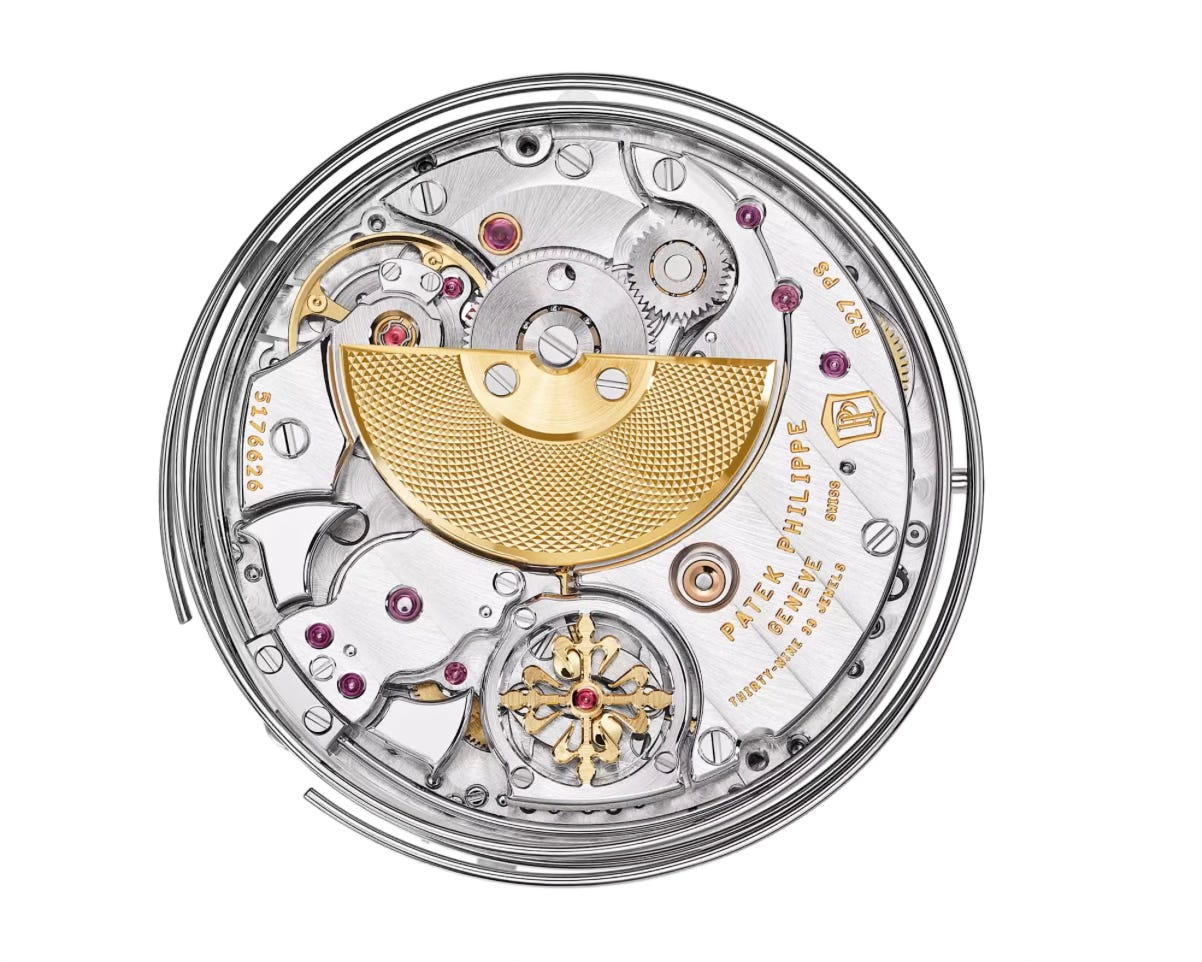
Watches are subjective objects. Taste is messy. Emotional attachment is hard to articulate. Do interior angles offer something more comforting? A measurable, photographable and seemly objective benchmark?
Craftsmanship is holistic. Sound, feel, design, history, etc. Reducing everything to a few overriding requirements feels like mistaking the ingredients for a meal. We run the risk that they turn into a perceived moral hierarchy. It is no longer about finishing but using finishing as a credential, without looking at the whole package.. which might explain some very odd looking movements out there.
No Christmas Card for You
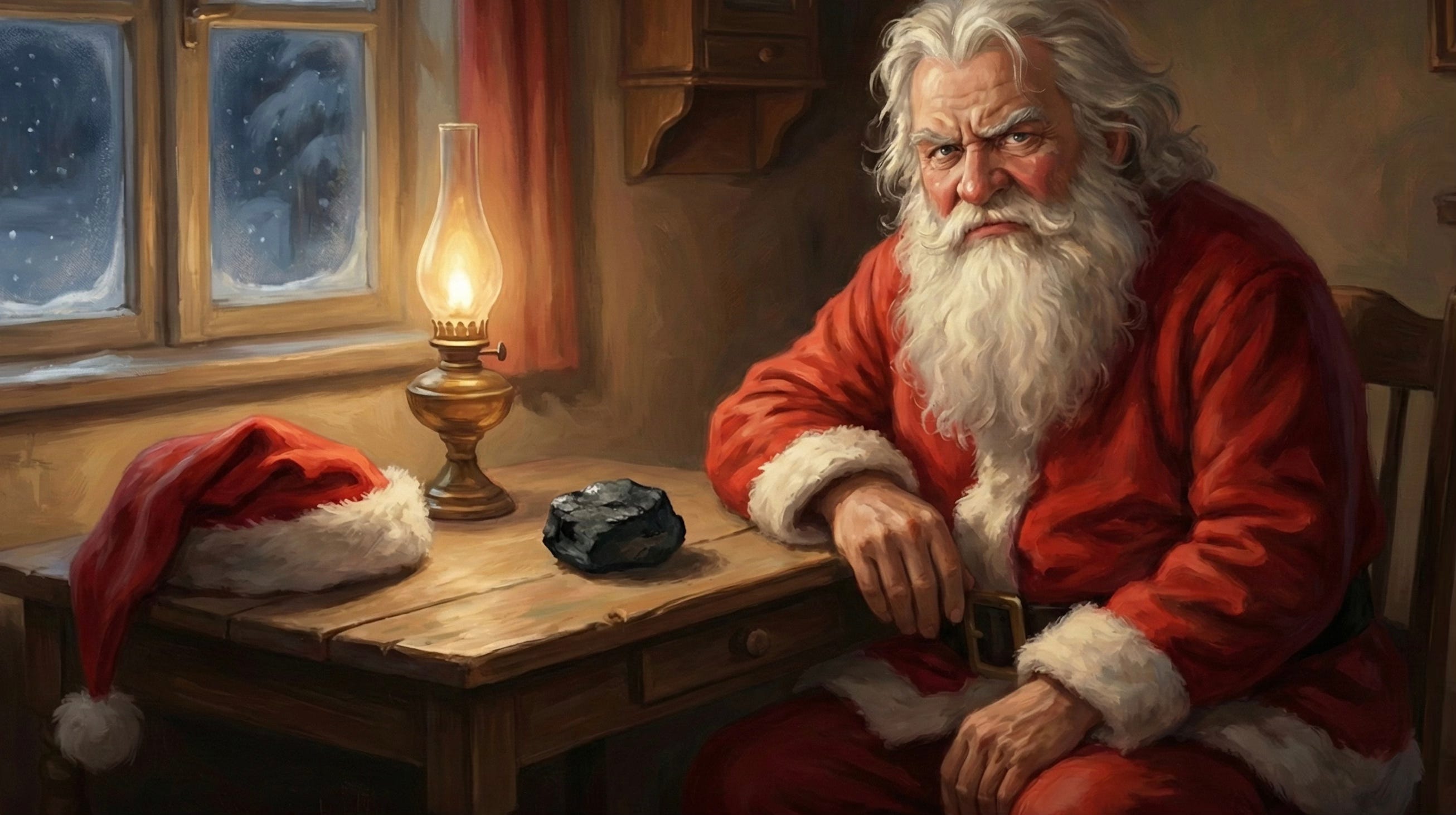
This one made me giggle more than anything. This time last year, I made a simple decision. I was not going to buy any new watches at retail. Not because I was angry with anyone. Not because I was making a point. Not because I ran out of money. I just did not feel like it. I wanted to focus on reducing my collection and everything I really longed for was in the vintage world.
The amusing consequence was immediate and oddly efficient. The yuletide cards stopped.
No gentle tapering. No “hope to see you soon”. Just silence. Apparently one year without purchasing is enough to be quietly removed from the festive circulation.
I don’t take it personally. I understand how the system works. But it does serve as a nice reminder that much of what we like to call relationships in this industry are, at heart, transactional. Step out of the buying cycle for a moment and the warmth cools very quickly indeed.
Psychologically, this reenforces a dangerous loop. Buying is not just about the watch, it becomes about maintaining relevance, access and recognition. To stop buying feels like opting out of the community.
Fork in the Road and Grand Complications
I believe many modern collectors eventually hit a point of fatigue.
The familiar brands start to feel repetitive. The retail games feel performative. The watches might still be beautiful, but the emotional return diminishes.
This is where a fork appears.
One path leads to independents: smaller makers, stronger narratives and more than anything a sense of being closer to the creative source. It offers renewed excitement, but also introduces new forms of hype.
The other path leads to vintage. A slower and quieter from of collecting. No new releases, a lot of research. No waiting lists. No allocations. Just history, the chase and hopefully a modicum of good luck.
More than anywhere, I feel this shift is felt in the “grand complication” lines of traditional watch makers. In the past, the path was clear.. from a time only to sports line to annual calendar to perpetual calendar to split second to minute repeater. I feel that lots of people are jumping off the escalator long before reaching the top. Certainly far sooner than they were ten or twenty years ago.
That begs the question, who is buying them now? I did a little test in central London. I found 3 unsold 5270P-014 for sale at authorised dealers - and that excludes the salon as they still pretend it is an allocation only piece. There is one in Jersey and I imagine there are some more around the UK. So maybe 6/7 unsold. In one country. That would be unimaginable ten years ago.
Granted, production has increased and some people still spend to get allocated hype pieces, but perhaps the audience has simply moved on. Not because they cannot afford these watches, but because the emotional equation no longer adds up. It certainly explains the monumental discounts these watches attract on the grey markets.
Perhaps the more uncomfortable question is whether the industry has fully accepted that shift, or whether they will keep producing watches for a collector who no longer exists in meaningful numbers. Or more likely, they are in complete denial. Perhaps they should bring back interior angles?
My first thought re: “unsold grand complications” was pricing. But it hasn’t actually been that dramatic. A 5970P in 2009 cost 138.5, and a 5270P today costs 265.3. So just over a 4% growth rate, vs inflation at ~2.5%. Not crazy.
Maybe the collector pool for these grand comps was always rather small? Patek production has gone from ~40k to 70k+ watches over the past 15 years. But I suspect a lot of that incremental demand has come from people interested in the sports watches, people who are asking their ADs “how many pieces do I have to buy before an aquanaut?” These are not grand complication buyers, at least not anytime soon.
Related to the above, maybe perceived obtainability actually reduces demand? If Patek said publicly “we are only going to make 500 platinum 5270s in total” collectors would be crawling over each other. The “chin” dial variant would have effusive lot essays written about it by auction houses, noting its rarity among the 500.
Finally, might just be that fashion has changed. The most in demand watches are almost universally sports watches. Even for Lange, the Odysseus is one of their only watches that requires a purchase history - and trades above retail on the secondary market. Like a Zeitwerk and a steel Odysseus trade uncomfortably close to each other. To me, that seems “wrong”, but demand is what it is.
that was a powerful analogy: jumping off the escalator before reaching the top.
i would articulate it in a slightly different way, we live now in a culture where people feel entitled to respect they haven’t earned.
interior-angles and independents are the symptoms of the same malaise. why make the effort to build a collection of rolex/patek over many years, when you can sign up with the latest independent that your “friend” referred you into, and pretend you’ve transcended above everyone else?
but slow is the march of time, and shortcuts only take you backwards.